It all comes down to one question:
Where is your document going?
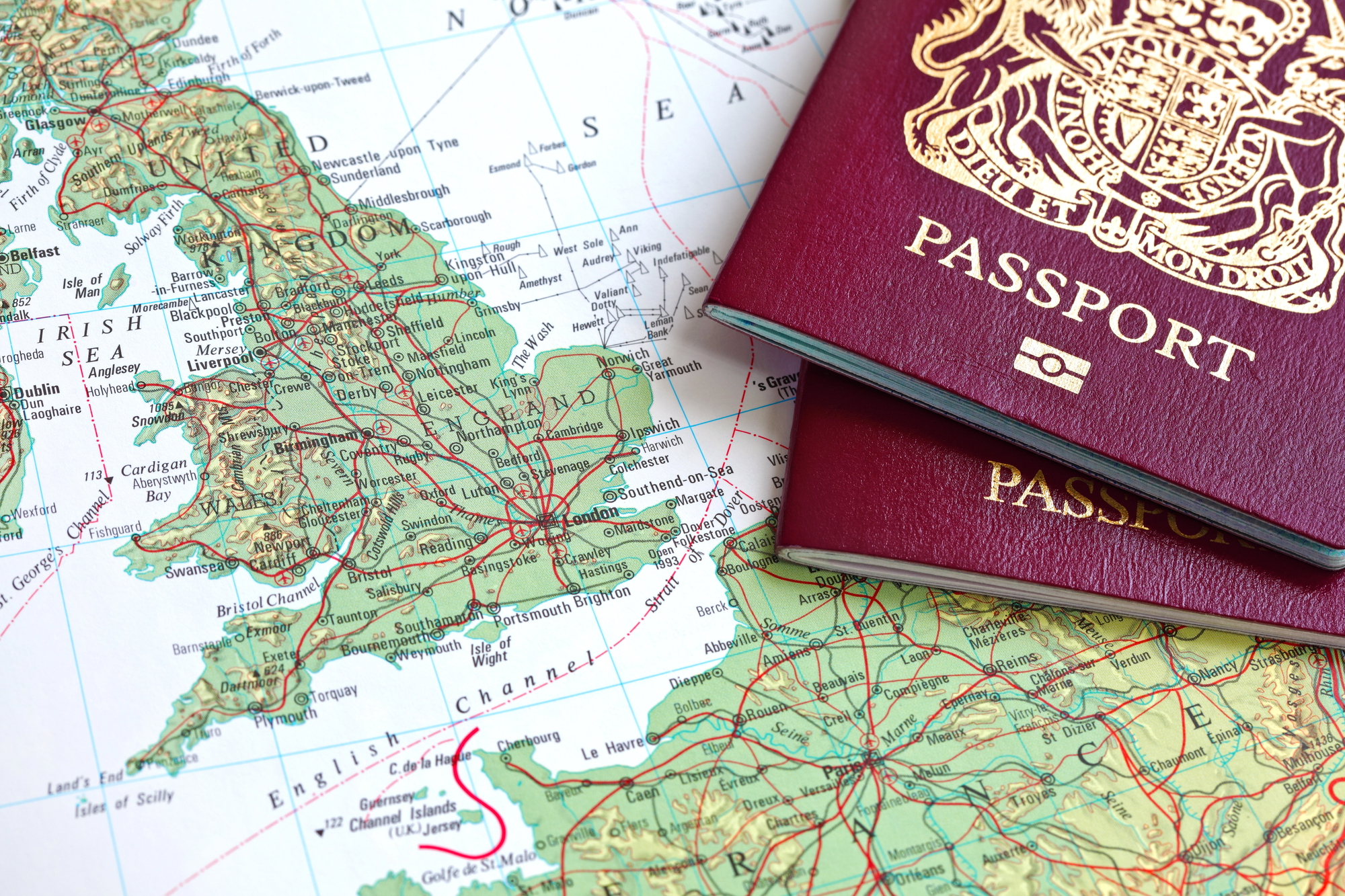
If you've been told your document needs to be "apostilled" or "authenticated" before it can be used overseas, you're probably wondering what the difference is and whether it matters. It does. Filing for the wrong one means starting over, and that can cost you weeks you may not have.
The good news is that figuring out which one you need is simpler than it sounds. It all depends on one thing: the country your document is going to.
Back in 1961, a group of countries signed an international agreement called the Hague Apostille Convention. The idea was simple: instead of making every foreign document go through a long chain of verifications, member countries agreed to accept a single certificate, the apostille, as proof that a document is genuine.
Today, more than 120 countries belong to the convention, and the list keeps growing. China joined in 2023, and Canada followed in 2024. Both used to require the longer authentication process.
An apostille is a one-step certificate attached to your document by the proper government office. For state documents, like birth certificates or notarized documents, that's the Secretary of State of the state that issued or notarized them. For federal documents, like FBI background checks, it's the U.S. Department of State.
Once your document has an apostille, it's ready to be used in any other Hague member country. No embassy visit, no additional stamps.
Countries outside the convention still need proof that your document is genuine, but they require more steps to get there.
The process usually looks like this:
(1) STATE CERTIFICATION - The Secretary of State authenticates the document, much like an apostille, but with a different certificate.
(2) U.S. DEPARTMENT OF STATE - For many countries, the document then goes to Washington for federal authentication.
(3) EMBASSY OR CONSULATE LEGALIZATION - Finally, the document goes to the destination country's embassy or consulate in the U.S., which adds its own verification.
Each step has its own fees, forms, and processing times, and every embassy has its own requirements. That's why authentications generally take longer and cost more than apostilles.
The Hague Conference on Private International Law keeps an official, up-to-date list of member countries on its website. Search for "HCCH apostille members" to find it. If your destination country is on the list, you need an apostille. If it isn't, you need an authentication.
One important tip: check the list; don't rely on memory. Countries do join over time, and older articles, or even advice from friends who went through the process a few years ago, may no longer be accurate.
When you're ready to start, I'll ask a few simple questions: what the document is, which state issued it, whether it's been notarized, and which country it's going to. From there, I'll confirm whether you need an apostille or an authentication and walk you through exactly what happens next.
If you're not sure where your document stands, send me a copy, and I'll take a look before you commit to anything.
I am not an attorney licensed to practice law, and I may not give legal advice or accept fees for legal advice.
We file apostilles for documents notarized in any state. Documents notarized through our remote online notarization service cannot be apostilled. Apostille-bound documents need a traditional, in-person notarization.
© 2026. All Rights Reserved - My Document Office